Hull Rupture Demo Guide — What the Free Preview Contains
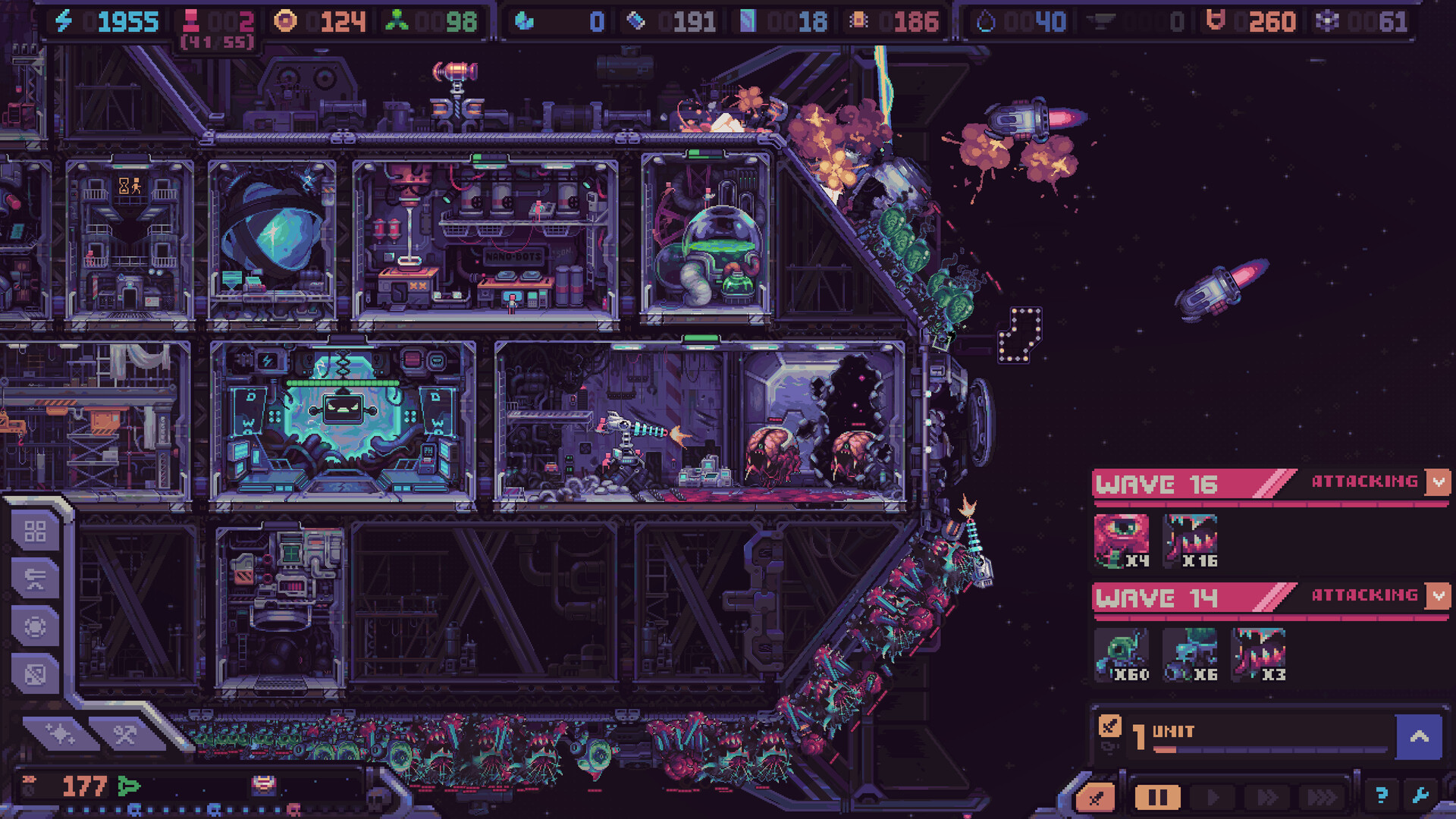
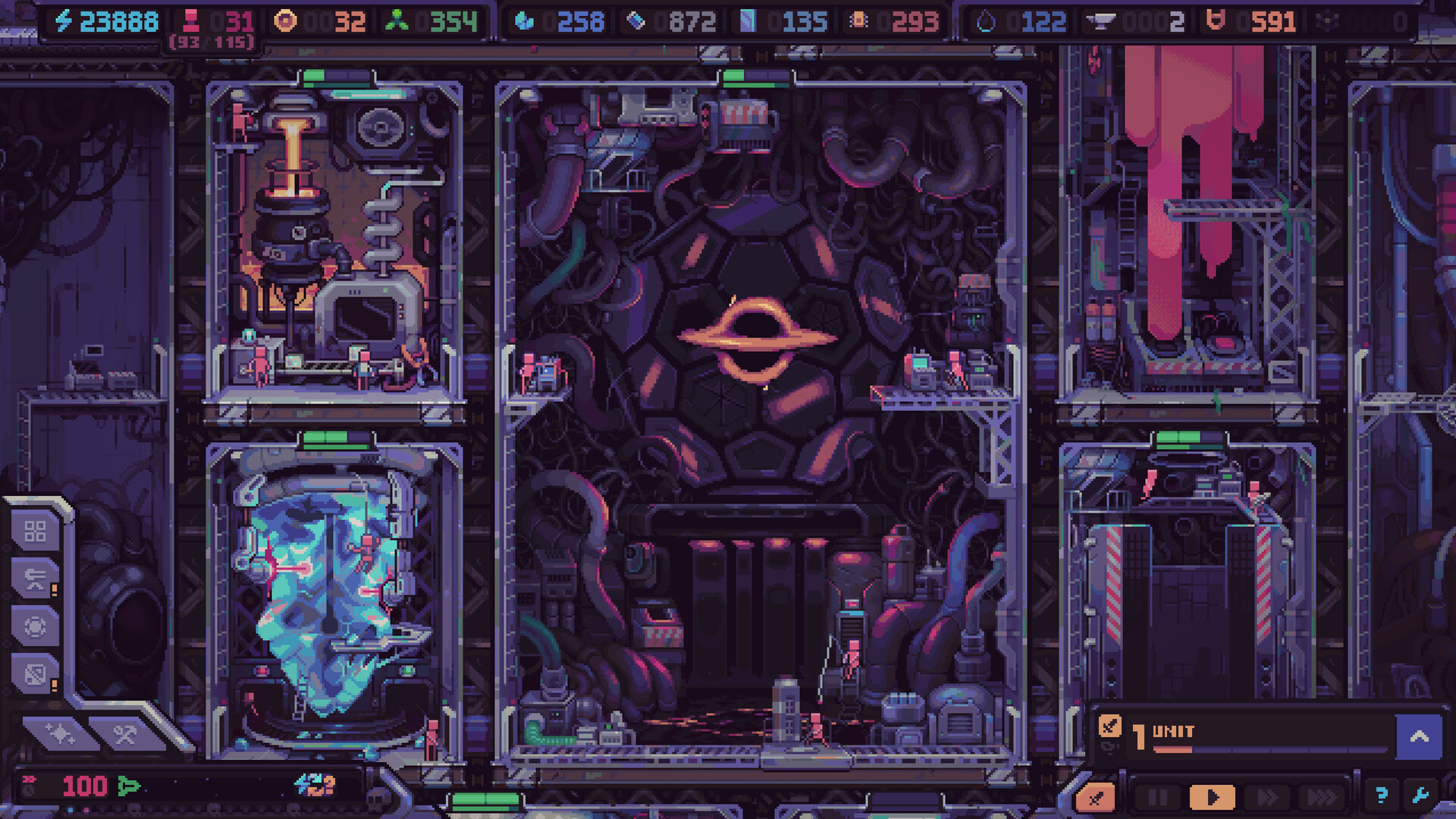
The Hull Rupture Demo is not a teaser video you watch and forget — it is a free build that has been sitting on Steam since June 15, 2026, months before the November 4, 2026 launch. It ships with a tutorial level and a standard game mode that can be replayed, and a run is complete when you survive 20 attack waves and defeat the final boss. That is enough content to learn the loop, and enough pressure to find out whether you enjoy it.
What the Demo Contains Today
The developers describe the demo in one tight paragraph: a tutorial level, a standard game mode that can be replayed, various buildings to unlock, artifacts to find, and star systems to explore. Completion is defined — survive 20 attack waves and defeat the final boss. The demo's own store page lists single-player and game demo, with developer Konfa Games and publisher tinyBuild the same as the main game.
That combination is unusually generous for a pre-launch slice. Buildings to unlock means the module grid has a progression inside the demo, not just a fixed tutorial set. Artifacts to find means exploration pays. Star systems to explore means the route layer — the part where each encounter recalculates resources, momentum and projected mission time — is present rather than withheld for release.
How To Install and Start the Demo
- Open the Hull Rupture store page on Steam (app 4358660) and use the demo button, or go straight to the Hull Rupture Demo listing (app 4809240).
- No code, no key and no purchase is involved — the demo is a normal free Steam product, and it appears in your library like any other game.
- Check the size before you start: 2 GB of available space, the same as the full game's listed storage requirement.
- Respect the OS floor: Windows 10 version 21H1 or newer on PC, Big Sur 11 or newer on Mac, Ubuntu 22.04 or newer on Linux.
- Expect the same hardware minimums as the full release — the demo block lists the identical CPU, memory and GPU entries, so if the demo runs poorly on your machine, the launch build is unlikely to be kinder.
What the Demo Teaches You
First, momentum. The stated objective is to keep moving whatever it takes, and the ship is described as growing into an overengineered machine that converts resources, materials and human effort into propulsion. In the demo you feel why: every system you add is another consumer, and idle capacity is a liability when the next wave lands.
Second, interconnectivity. The store says to construct interconnected modules to produce resources, repair damage, boost efficiency and reinforce defenses. In practice that means modules are not isolated purchases; placement and connectivity decide whether your production reaches the systems that need it, and the official screenshots show a workshop panel where these pieces are bought and dropped into the ship's grid.
Third, defense information. Aliens do not knock; they rip holes straight through the hull, and you know exactly when they will arrive and where they will breach. The demo respects that contract, which is why it is worth replaying the standard mode: the value is in planning where turrets, traps, barricades and automated defenses funnel enemies into kill zones, before the wave that breaks your layout arrives.
Fourth, scarcity of people. Resources, power and human lives are explicitly three things you manage to keep the system running, and the fiction states that humans are included among your resources while supplies last. The demo lets you learn the cost of that sentence with a run you can simply restart.
The Demo's Numbers: Who Covered It
Creator coverage is the cleanest evidence that a demo is worth your evening. Aliensrock's video on the demo, titled around the ultimate spaceship strategy game, has 79,881 views, published roughly four months ago. Wanderbots followed with a demo video framed around a spaceship powered by human suffering, at 12,615 views about three months ago. Both channels serve strategy audiences rather than general gaming feeds, which is exactly the crowd a wave-defense roguelite needs to convince.
The official channel's own numbers tell a quieter but consistent story: the Announcement Trailer sits at 11,172 views and the Official Gameplay Trailer at 13,791. Small numbers compared to a AAA reveal, but steady for a studio following up a cult strategy title with the same voice.
What the Demo Does Not Include
- The full 3 ships, 6 modes and 4 modifiers combination — the store advertises that variety for the full game, and the demo provides one standard mode plus the tutorial.
- The hull differences that matter most in long runs: layouts, systems and loss thresholds vary between ships, and that variety is part of the release build's promise rather than the preview's.
- The complete building list. The demo has buildings to unlock, but the full progression has not been published.
- Carry-over. Nothing on either store page states that demo progress transfers to the full game, so treat every demo run as practice rather than investment.
- A price signal. The demo being free tells you nothing about the launch price, which has not been announced.
FAQ
Is the Hull Rupture demo free?
Yes. The Hull Rupture Demo is a free Steam listing (app 4809240) and has been available since June 15, 2026, with no code or purchase required.
How long is the demo?
A run is complete when you survive 20 attack waves and defeat the final boss, and the included standard mode can be replayed, so length depends on how many runs you want to try.
Does demo progress carry over to the full game?
Unconfirmed. No store page or announcement promises a save transfer, so we treat demo runs as practice until the developers say otherwise.
Do I need to own the game to play the demo?
No. The demo is a separate free product on Steam, downloadable directly from the main Hull Rupture store page or from its own demo listing.
Can my PC run the demo?
The demo lists the same minimums as the full game: Windows 10 21H1 or newer, an i7-8700 or Ryzen 1600, 8 GB RAM, a GTX 670 or HD 7970, DirectX 11 and 2 GB of space.